Top 5 Advantages of Natural Lawn Grass Over Artificial Turf
The Plastic vs. Plant Debate
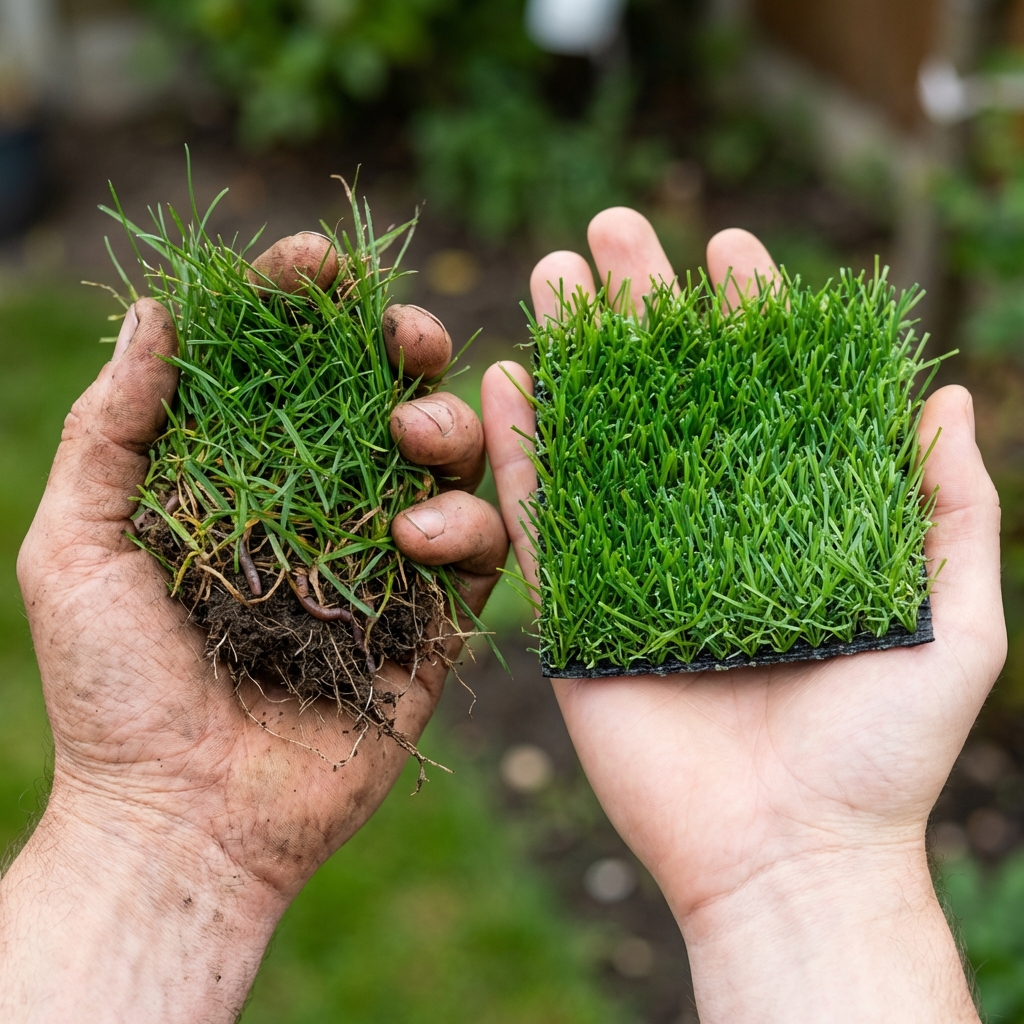
In recent years, artificial turf has gained popularity as a "maintenance-free" alternative to real lawns. While it's true that plastic grass doesn't need watering or mowing, the trade-offs are significant. Before you cover your soil with a synthetic carpet, consider the irreplaceable benefits that a living, breathing natural lawn brings to your home and the planet.
1. The Cooling Effect (Natural Air Conditioning)
Stand on a patch of artificial turf on a hot Indian summer afternoon, and you'll burn your feet. Synthetic turf absorbs heat and can become significantly hotter than the surrounding air—sometimes reaching temperatures of 60°C!
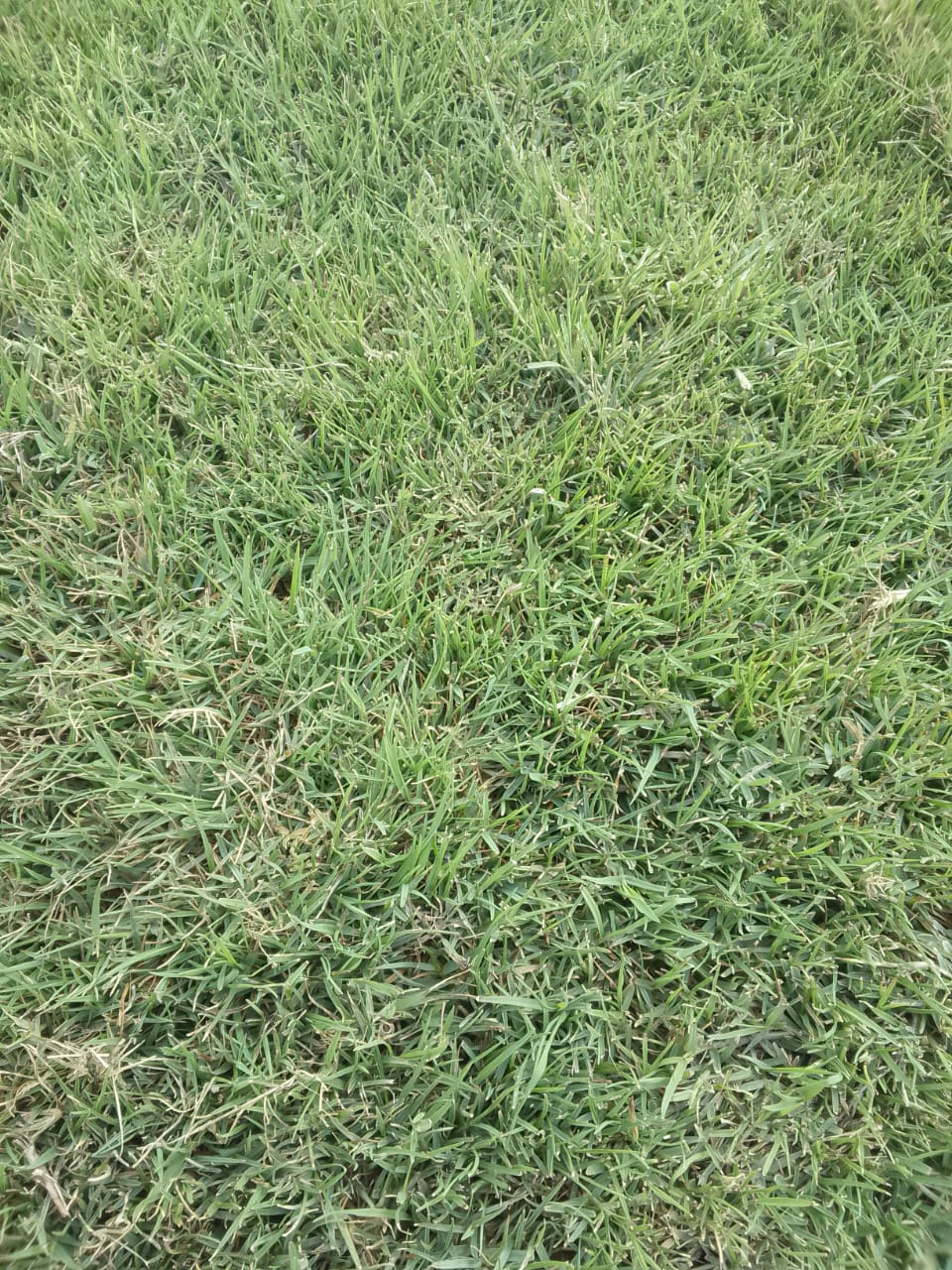
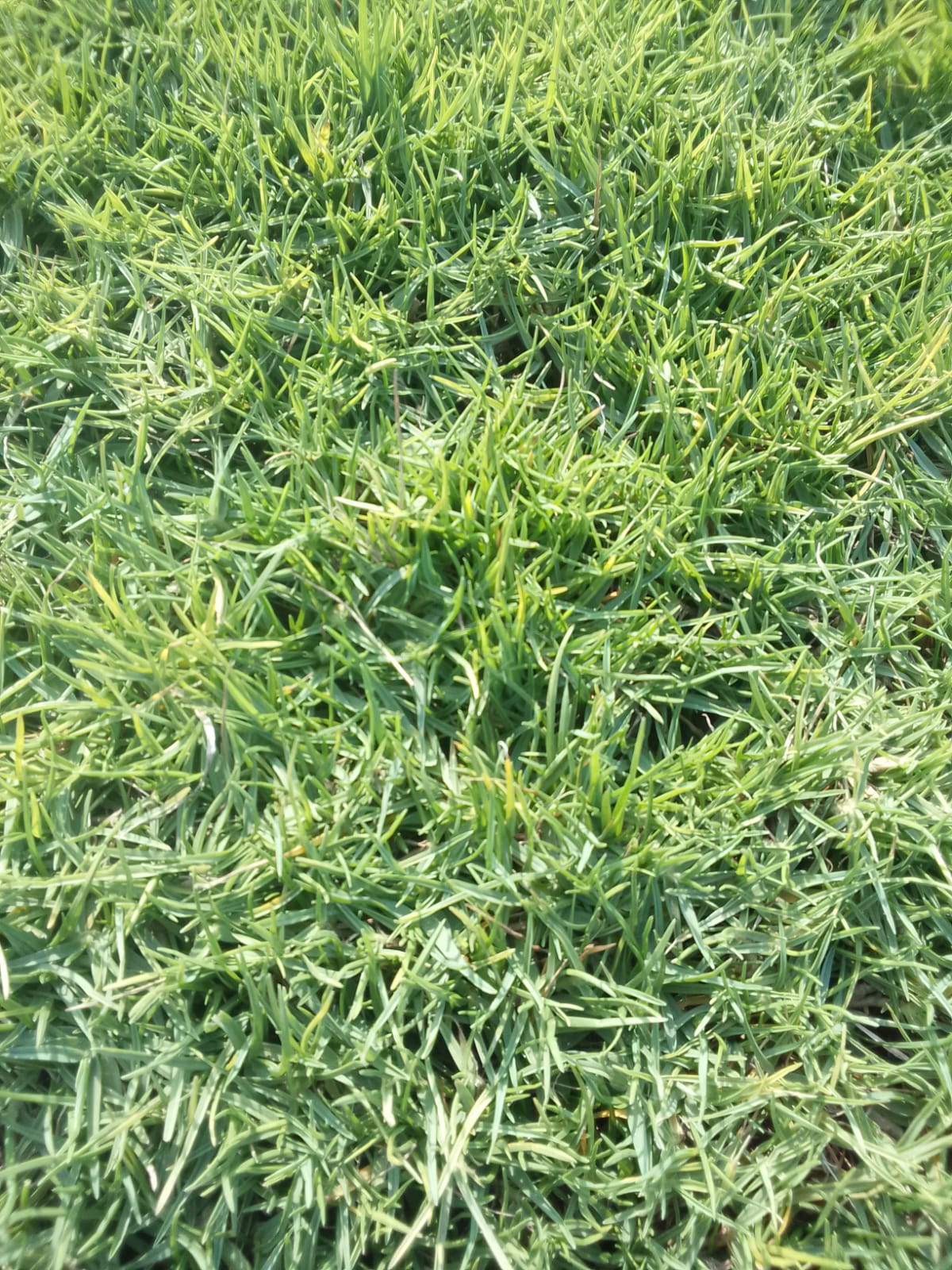
Natural Grass: It cools itself and the surrounding air through a process called transpiration. A healthy lawn can be 15°C to 20°C cooler than asphalt or artificial turf, acting as a natural air cooler for your garden and home.
2. Air Purification and Oxygen Production
Artificial grass is inert plastic. It contributes nothing to air quality.
Natural Grass: It is a powerhouse of purification. Grass blades trap dust, smoke particles, and other pollutants from the air. More importantly, they absorb carbon dioxide and release oxygen. A lawn of just 2,500 square feet produces enough oxygen for a family of four. It's not just a decoration; it's a lung for your city.
3. Mental Health and Wellbeing
There is a psychological phenomenon known as biophilia—our innate connection to nature.
Studies have shown that looking at and touching living plants reduces stress, lowers blood pressure, and improves mood. Plastic grass, no matter how realistic, fails to trigger this deep psychological response. The smell of fresh grass, the cool touch of damp blades—these sensory experiences ground us and reduce anxiety.
4. Biodiversity Support
Your garden is part of a larger ecosystem.
Artificial Turf: It is a sterile desert. It blocks the soil, killing the microorganisms underneath and offering nothing to birds or insects.
Natural Grass: It is alive. It supports earthworms, beneficial insects, and soil microbes that are essential for a healthy environment. It allows rainwater to filter into the ground, replenishing the water table, whereas artificial turf often causes runoff issues.
5. Self-Repairing and longevity
Artificial Turf: It has a lifespan of 8-10 years. Over time, it flattens, fades, and gathers bacteria. If it tears or melts (from a dropped coal or cigarette), it stays damaged forever unless patched. And when you remove it, it goes straight to the landfill.
Natural Grass: It is self-renewing. If a patch gets damaged, it grows back. With proper care, a natural lawn can last indefinitely, becoming more established and beautiful with time.
Conclusion
While artificial turf offers convenience, it strips your outdoor space of life. Natural grass cools your home, cleans your air, and heals your spirit. The bit of mowing and watering is a small price to pay for a living, breathing sanctuary. Go real, go green with Kavya Grass Nursery.
About the Author
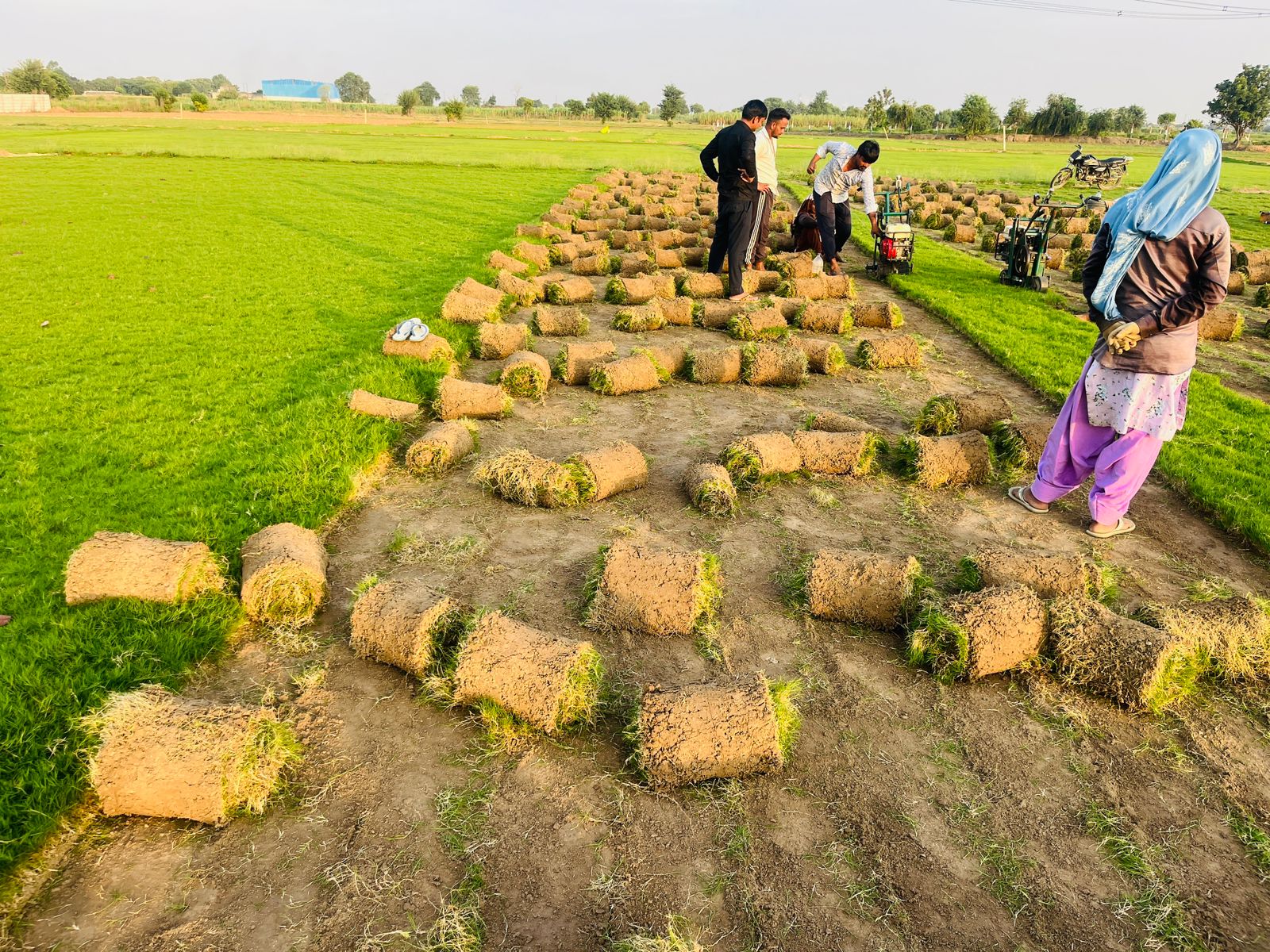
Kavya Grass Nursery is a leading supplier of premium lawn grasses in India. We specialize in Mexican Carpet, Bermuda, and Korean Velvet grass, helping homeowners and businesses create stunning green spaces.