Best Grass for Shaded Lawns in India: How to Grow Turf Under Trees & Boundary Walls
Best Grass for Shaded Lawns in India: How to Grow Turf Under Trees & Boundary Walls
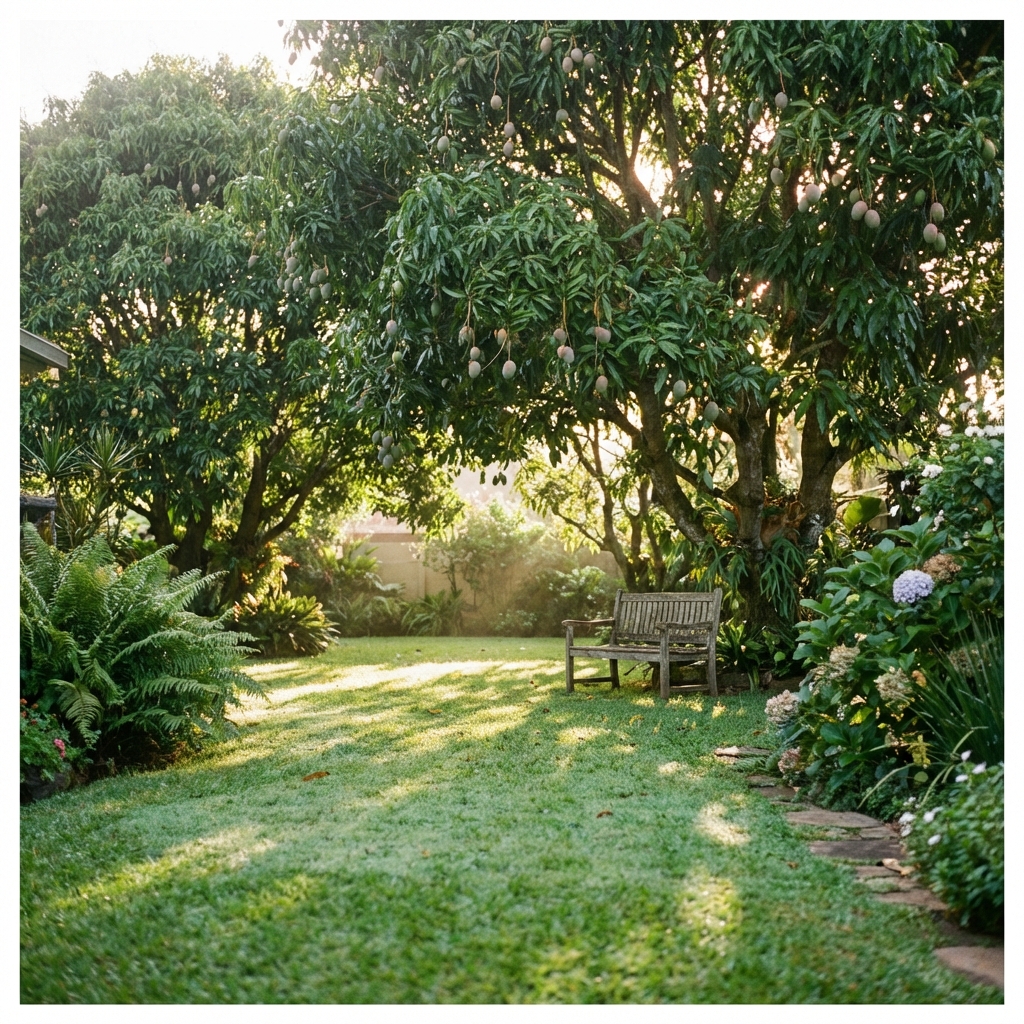
One of the most common and persistent frustrations for Indian homeowners, villa residents, and landscape designers is trying to maintain a lush green lawn in shaded areas. Whether your garden is overshadowed by mature Ashoka, Neem, or Mango trees, blocked by high 10-foot boundary walls, or situated in a narrow north-facing courtyard, standard lawn grasses often turn into a patchy, sickly, moss-covered disappointment within months.
Most common Indian turfgrasses—especially Bermuda (Doob) and standard Selection No. 1—are sun-worshipping C4 photosynthetic plants that require at least 6 to 8 hours of unfiltered direct sunlight daily. Denied sufficient light, their internodes stretch, leaf blades become spindly, and roots fail to penetrate, leaving the ground bare and muddy.
However, having a shaded garden does not mean you must settle for cold concrete paving or artificial plastic turf. At Kavya Grass Nursery, we cultivate specialized shade-tolerant turf varieties that thrive in low-light environments. In this comprehensive shade landscaping guide, our horticulturists reveal the best grass varieties for shade, how to modify tree canopies to let in ambient light, and the precise cultural maintenance rules required to keep shaded lawns dense and healthy.
1. The Photobiology of Shade: Why Standard Grass Fails
To fix a shaded lawn, you must understand how grass interacts with light:
- Reduced Photosynthesis: Without adequate sunlight, grass blades cannot produce sufficient carbohydrates to sustain cellular respiration and root development. The plant enters an energy-deficit state.
- The Etiolation Trap: Grass in shade stretches vertically (etiolates) in a desperate attempt to reach light. This results in thin, tender, watery blades with weak cell walls that tear easily under footsteps and succumb to fungal damping-off.
- Slow Evaporation & Dampness: Shaded soil stays cool and wet for days after watering. Excess moisture combined with low air circulation creates the perfect breeding ground for soil algae, slime molds, and root-rot fungi like Pythium and Rhizoctonia.
- Tree Root Competition: When grass grows beneath large trees, it must compete not only for light, but also against massive tree roots that voraciously suck away moisture and nutrients from the topsoil.
2. The Top Shade-Tolerant Turf Varieties for India
A. Nilgiri Grass – The Undisputed Shade Specialist (Score: 9.6/10)
Originally adapted to the cooler, misty, dappled light environments of the Western Ghats, Nilgiri Grass is North India's premier solution for tree-covered and wall-shaded lawns.
- Why It Excels: Nilgiri grass features broader, softer leaf blades packed with high concentrations of dark-green chlorophyll, allowing it to capture and convert diffuse, indirect sunlight far more efficiently than narrow-bladed grasses.
- Light Requirement: Thrives on just 3 to 4 hours of filtered or indirect sunlight per day.
- Aesthetics: Forms a dense, velvety, emerald-green mat with a soft, luxurious feel underfoot.
- Best Placed: Beneath mature fruit orchards, tree groves, covered gazebo borders, and north-facing residential courtyards.
B. Korean Velvet Grass (Zoysia Tenuifolia / Zoysia Japonica) (Score: 8.8/10)
Korean Velvet is an elite, slow-growing ornamental turf known for its fine needle texture and remarkable adaptability to partial shade.
- Light Requirement: Performs exceptionally well in 4 to 5 hours of dappled or morning sunlight.
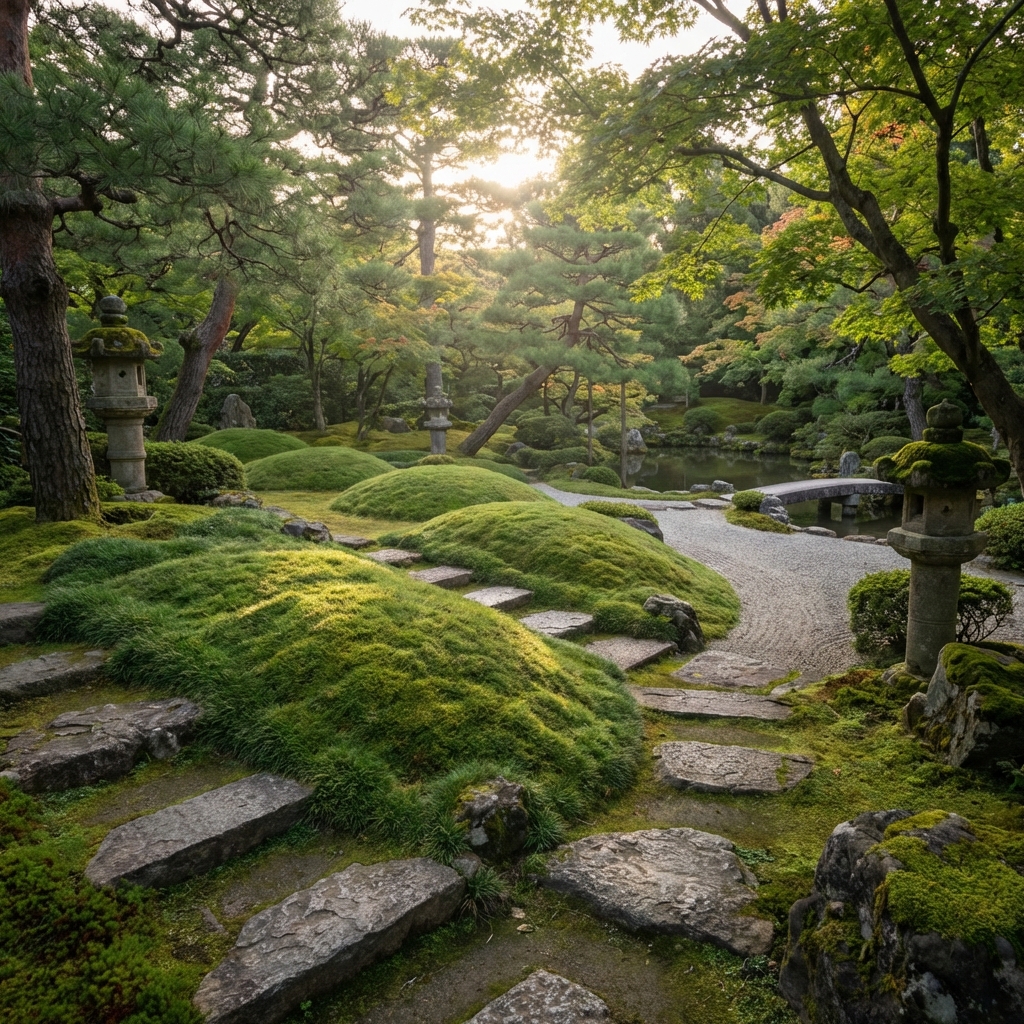
- Strengths: It naturally forms an undulating, moss-like green carpet that looks stunning around Japanese rock gardens, stepping-stone courtyards, and semi-shaded modern villas.
- Consideration: Because it grows slowly, it requires sharp reel mowing and careful weeding during initial establishment.
C. Selection No. 1 Grass – For Moderate / Dappled Light (Score: 7.5/10)
While Selection No. 1 prefers full sun, high-grade farm cultivars from Kavya Nursery can tolerate partial shade (4 to 5 hours of direct sunlight) provided the tree canopy is properly pruned and soil drainage is flawless.
3. Shade Tolerance Comparison Table
| Grass Variety | Min. Sunlight Needed | Shade Performance | Water Requirement in Shade | Foot Traffic Tolerance |
|---|---|---|---|---|
| Nilgiri Grass | 3 to 4 hours (Filtered) | ⭐⭐⭐⭐⭐ (Exceptional) | Low – Moderate | Moderate |
| Korean Velvet (Zoysia) | 4 to 5 hours (Dappled) | ⭐⭐⭐⭐ (Very Good) | Low | Light / Ornamental |
| Selection No. 1 | 5 to 6 hours | ⭐⭐⭐ (Moderate) | Moderate | High |
| Bermuda Grass | 6 to 8+ hours (Direct) | ⭐ (Poor – Dies in Shade) | High in Sun | Very High (in Sun) |
4. How to Optimize Ambient Light: Tree Canopy Pruning
You can significantly improve the survival of shaded grass by managing overhead foliage:
- Crown Thinning: Selectively remove crossing, interior branches within the tree canopy. This allows sunlight to filter through without destroying the tree's natural silhouette, increasing ground illumination by up to 35% to 50%.
- Crown Raising (Lifting Lower Branches): Prune the lowest tree limbs up to 8 to 10 feet from the ground. Raising the lower canopy allows low-angle morning and late-afternoon sun rays to penetrate horizontally underneath the tree.
- Rake Fallen Leaves Weekly: Never allow broad tree leaves (mango, neem, peepal) to accumulate on shaded grass. Wet decaying leaves block light and create mold within 48 hours.
5. Cultural Maintenance Rules for Shaded Lawns
The Golden Rules of Shaded Lawn Care
Rule 1: Cut Watering by 40% to 50%
Because shaded soil loses very little water to evaporation, watering at the same rate as full-sun lawns will cause root rot. Water shaded grass only when the top 2 inches of soil feel dry to the touch.
Rule 2: Raise Lawnmower Height by 1/2 to 1 Inch
Never scalp shaded grass! Keeping grass blades taller (2.5 to 3.5 inches) gives the plant larger leaf surface area to capture limited photons of sunlight.
Rule 3: Reduce Chemical Nitrogen by Half
Shaded grass grows slower and cannot process high doses of nitrogen. Excess nitrogen forces soft, watery growth that invites fungal infections. Instead, top-dress lightly with organic vermicompost mixed with neem cake powder.
6. What to Do in 100% Zero-Sunlight Areas
No living turfgrass can survive in 100% pitch-black shade (such as narrow, dark passages between high walls receiving zero direct or indirect light). For these extreme spots, Kavya Nursery recommends an elegant combination of natural stone stepping pavers, white river pebbles, and shade-loving ornamental groundcovers like Ophiopogon (Mondo Grass) or Syngonium.
Order Fresh Shade-Tolerant Turf from Kavya Nursery
Don't let shaded garden patches ruin your property's curb appeal. Kavya Grass Nursery supplies fresh, farm-harvested Nilgiri and Korean Velvet sod rolls, along with turnkey site preparation, tree canopy trimming, and professional installation across Delhi NCR, Punjab, and Haryana.
Call or WhatsApp Our Shade Specialists: +91-6394742039
Explore Offerings: Turnkey Sod Installation | View Natural Grass Varieties
About the Author
Kavya Grass Nursery is a leading supplier of premium lawn grasses in India. We specialize in Mexican Carpet, Bermuda, and Korean Velvet grass, helping homeowners and businesses create stunning green spaces.