Nilgiri Grass: The Best Solution for Shaded Lawns
The Shade Conundrum
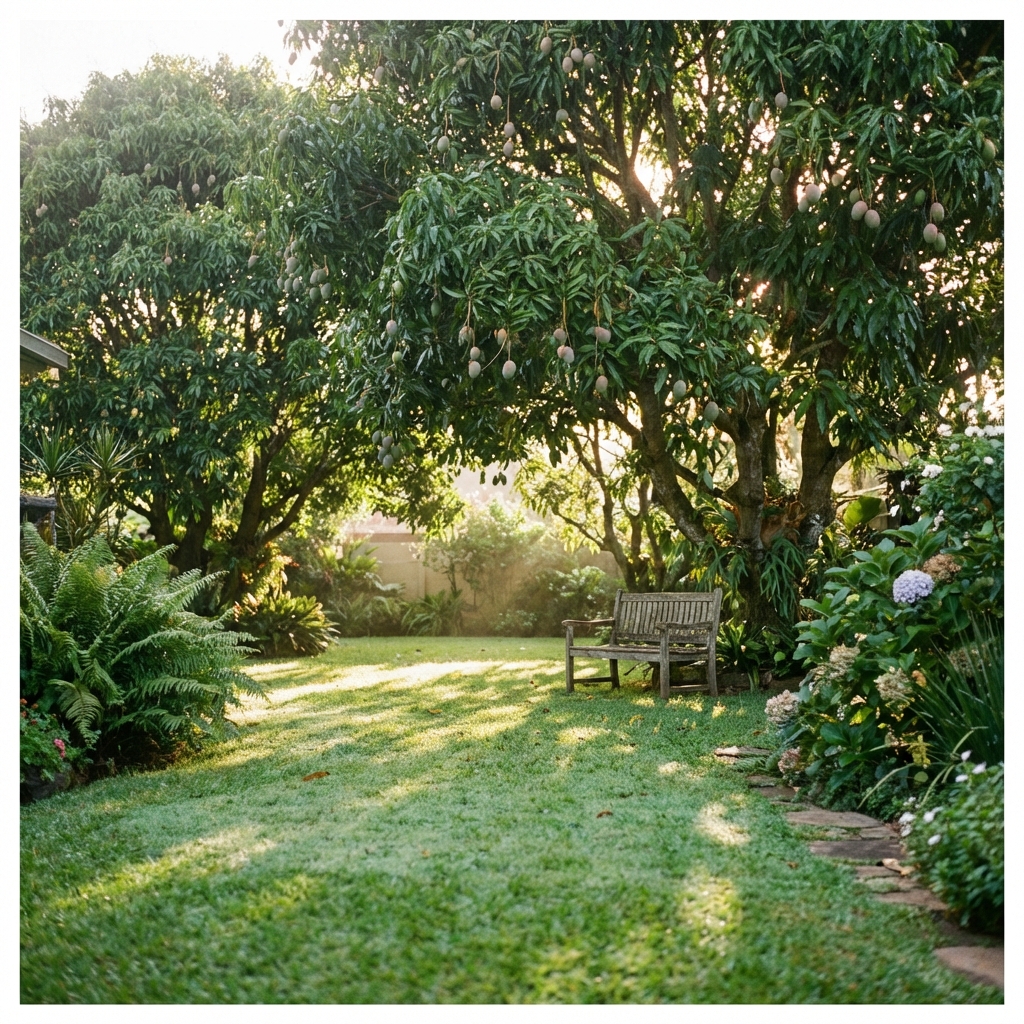
One of the most frustrating challenges for a gardener is trying to grow a lawn under the canopy of beautiful, old trees or in the shadow of a tall building. You plant standard grass, it sprouts, and then slowly thins out, turns yellow, and vanishes, leaving you with a patch of mud. This happens because most turf grasses are sun-dependent. They need high-intensity light to photosynthesize.
Enter Nilgiri Grass.
What is Nilgiri Grass?
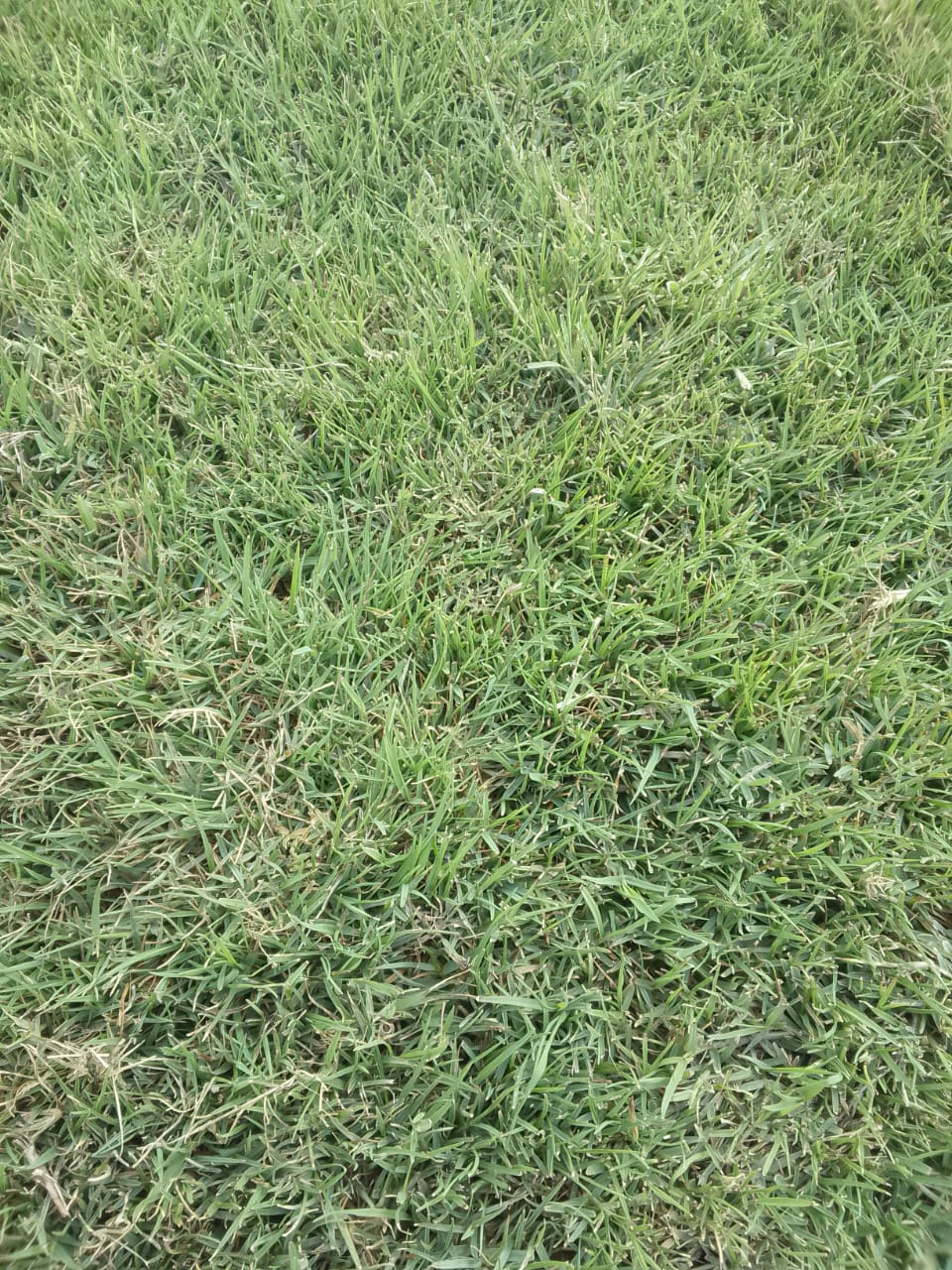
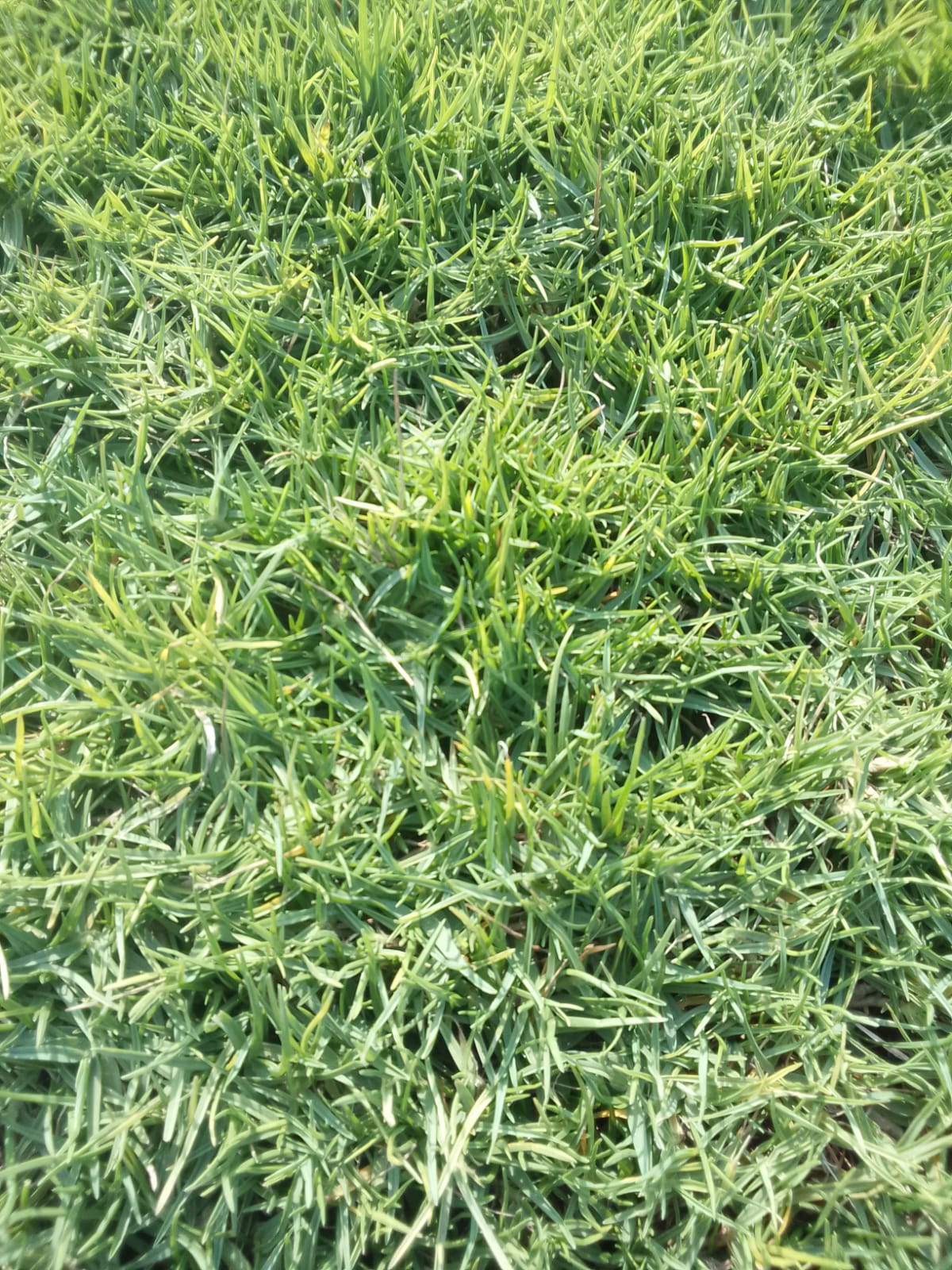
Often found in the cool hill stations of Ooty and Munnar (hence the name), Nilgiri grass is a variety adapted to cooler temperatures and, crucially, lower light conditions. It is botanically distinct from the heat-loving Bermuda grasses found in the plains. It has broader, softer blades with a rich, dark emerald green color.
Why It Succeeds in the Shade
1. Efficient Photosynthesis: Nilgiri grass has wider leaf blades. This increased surface area allows it to capture and utilize the limited sunlight that filters through tree leaves more efficiently than thin-bladed grasses.
2. Slow Growth Rate: In the shade, plants grow slower. Nilgiri grass naturally has a moderate growth rate, meaning it doesn't become "leggy" or stretched out trying to reach the sun, a common problem with other varieties.
Ideal Locations for Nilgiri Grass
- Tree-Filled Gardens: If you have mango, neem, or gulmohar trees and want a green carpet underneath, this is your best bet.
- North-Facing Courtyards: Areas of the house that never receive direct sunlight but get bright indirect light.
- Hill Stations & Farmhouses: It thrives in the cooler weather of higher altitudes, making it the standard choice for resorts in Shimla, Coorg, or Wayanad.
Care and Maintenance for Shaded Lawns
While Nilgiri grass is shade-tolerant, it isn't magic. It still needs some care:
Do Not Overwater: Shaded areas don't experience as much evaporation as sunny spots. The soil stays wet longer. Only water when the topsoil feels dry to avoid root rot and moss growth.
Mow Higher: Keep the grass length slightly higher (2.5 to 3 inches) than you would for a sunny lawn. longer blades mean more surface area for photosynthesis, helping the grass generate energy even in low light.
Reduce Traffic: Grass growing in shade is generally less robust against foot traffic than sun-grown grass. Use stepping stones for frequently walked paths.
Conclusion
Don't give up on your shady corners. With Nilgiri Grass, you can turn those dark, muddy patches into lush, cool retreats. It brings a touch of the hills right to your doorstep, creating a soft, verdant sanctuary that invites you to relax.
About the Author
Kavya Grass Nursery is a leading supplier of premium lawn grasses in India. We specialize in Mexican Carpet, Bermuda, and Korean Velvet grass, helping homeowners and businesses create stunning green spaces.