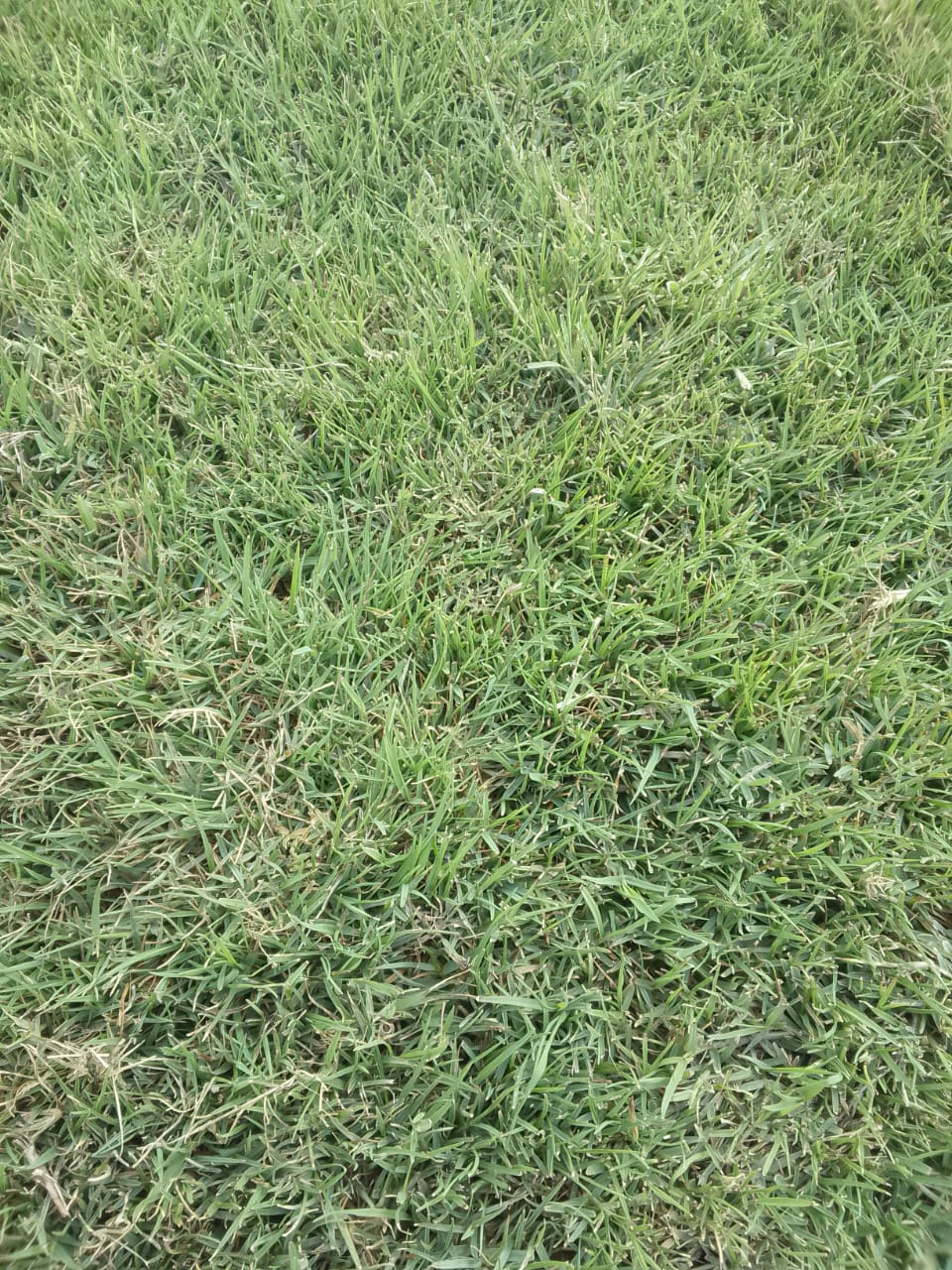
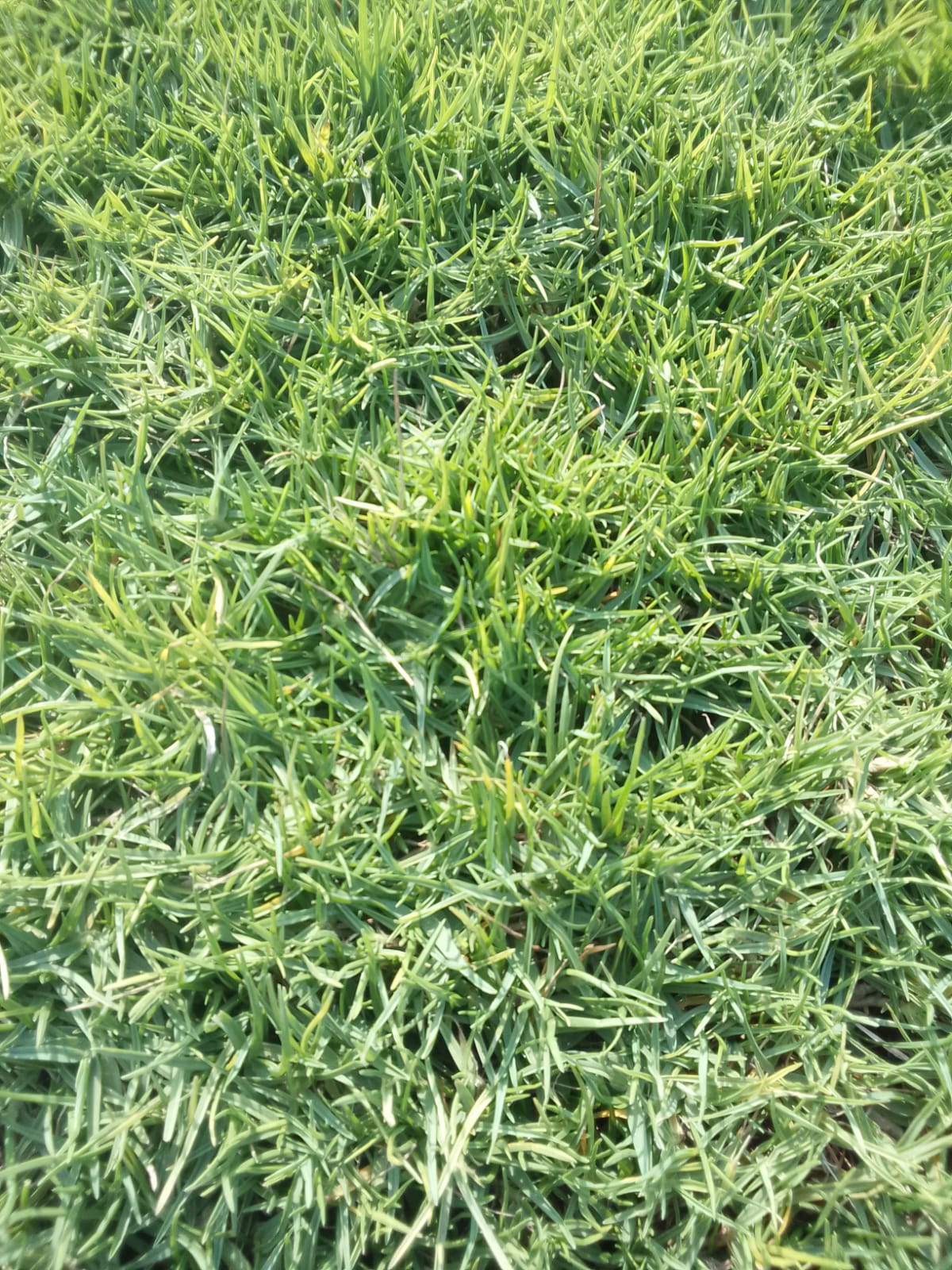
Selection No. 1 vs. Korean Velvet Grass: Differences in Maintenance, Sunlight, and Cost
Selection No. 1 vs. Korean Velvet Grass: Differences in Maintenance, Sunlight, and Cost
When designing a bespoke landscape for a luxury villa in Gurgaon, a sprawling farmhouse in Chattarpur, or an independent estate in Chandigarh, choosing your lawn turf is one of the most consequential decisions you will make. In North India's extreme climate—where peak May–June temperatures exceed 45°C and December–January brings cold nights with ground frost—your turfgrass must balance visual elegance with biological resilience.
Two premium turf varieties dominate discussions among high-end landscape architects and discerning homeowners: Selection No. 1 Grass (Bermuda hybrid) and Korean Velvet Grass (Zoysia japonica / Zoysia tenuifolia). While both deliver exceptional curb appeal, they serve fundamentally different aesthetic and functional purposes.
Selection No. 1 is a rugged, fast-growing, budget-friendly turf (₹4–₹6/sq. ft.) built for full sun and heavy foot traffic. Korean Velvet is an ultra-fine, slow-growing luxury grass (₹18–₹25/sq. ft.) suited for shaded, low-traffic ornamental courtyards requiring specialized maintenance.
Comprehensive Comparison: Selection No. 1 vs. Korean Velvet Grass
| Key Parameter | Selection No. 1 Grass | Korean Velvet Grass |
|---|---|---|
| Botanical Family / Species | Cynodon dactylon (Hybrid Bermuda cultivar) | Zoysia japonica / Zoysia tenuifolia |
| Leaf Texture & Visual Feel | Fine-to-medium blades; vibrant rich green; dense, athletic mat | Ultra-fine, needle-soft blades; deep emerald green; velvety cushion |
| Sunlight Requirement | Full Direct Sun (6–8+ hours daily) | Partial to Filtered Sun (4–5 hours adequate; tolerates dappled light) |
| Shade Tolerance | Poor (Thins out rapidly in shaded corridors) | Moderate to High (Best amongst warm-season grasses) |
| Water & Drought Resilience | Exceptional deep-root drought tolerance; survives canal/borewell salinity | Moderate drought tolerance; requires regular, uniform misting/irrigation |
| Foot Traffic & Wear Tolerance | Heavy Wear (Ideal for sports, dogs, large outdoor parties) | Low to Light Wear (Ornamental display, stepping-stone pathways) |
| Growth Rate & Mowing Frequency | Fast aggressive lateral growth; mowed every 7–10 days in summer | Very slow vertical growth; mowed every 20–30 days |
| Weed & Thatch Resistance | Chokes out broadleaf weeds easily; low-to-medium thatch buildup | Forms a tight weave blocking weeds; prone to dense thatch over time |
| Approximate Sod Price (Farm-Gate) | ₹4 – ₹6 per Sq. Ft. | ₹18 – ₹25 per Sq. Ft. |
| Overall Maintenance Demand | Low to Moderate (Forgiving and self-repairing) | High / Specialized (Requires precise dethatching and sharp reel mowing) |
Pillar 1: Sunlight Requirements & Shade Tolerance
Sunlight exposure is the primary biological factor determining turf longevity in North Indian residential plots.
Selection No. 1: The Full-Sun Powerhouse
Selection No. 1 belongs to the C4 photosynthetic pathway, making it an aggressive sun-worshipper. It requires a minimum of 6 to 8 hours of unfiltered direct sunlight each day to maintain its tight internode spacing and deep green hue. When planted along north-facing boundary walls, underneath dense banyan or neem tree canopies, or in narrow villa side-alleys, Selection No. 1 quickly turns leggy, loses root density, and succumbs to bald patches.
Korean Velvet: The Shaded Courtyard Aristocrat
Korean Velvet (Zoysia) offers superior shade adaptation compared to Bermuda cultivars. It thrives under filtered sunlight, dappled pergola lighting, and partial shade (4 to 5 hours of sunlight). While no warm-season grass thrives in 100% pitch-black shade, Korean Velvet maintains structural density where Selection No. 1 thins out completely.
Garden Orientation Advice:
- South-facing & West-facing Lawns: Choose Selection No. 1 to absorb the intense afternoon heat and blazing sun rays without leaf scorch.
- North-facing Courtyards & Shaded Atriums: Choose Korean Velvet Grass to prevent yellowing and turf thinning caused by structural shadows.
Pillar 2: Maintenance, Mowing & Seasonal Upkeep
Mowing Frequency & Growth Dynamics
The operational difference between these two grasses lies in their growth velocity:
- Selection No. 1: Exhibits vigorous horizontal stolon and subterranean rhizome growth during North India’s warm months (March to October). You will need a rotary mower every 7 to 10 days to maintain an optimal height of 1.0 to 1.5 inches. Neglecting mowing causes thatch buildup and uneven mowing scalp marks.
- Korean Velvet Grass: Characterized by an exceptionally slow growth rate. It requires cutting only once every 3 to 4 weeks. However, because its leaf blades contain high silica content, you must use a sharp cylinder reel mower. Dull rotary blades tear the leaves, causing straw-colored burnt tips.
Thatch Management & Aeration
Korean Velvet forms a dense, interwoven fibrous carpet that naturally resists weed penetration. However, after 2–3 years in Delhi NCR’s alluvial soil, it accumulates a spongy layer of dead organic matter (thatch). Annual verticutting (dethatching) and manual core aeration in early spring (late February) are mandatory to allow water and oxygen to penetrate the root zone.
Nutrient & Irrigation Protocols in North Indian Seasons
- Peak Summer (45°C+ May–June): Selection No. 1 requires deep, bi-daily morning soakings (5:00 AM – 7:00 AM) to encourage roots to travel 8–12 inches down. Korean Velvet has a comparatively compact root zone and benefits from automated pop-up sprinkler cycles that keep the upper root zone consistently cool.
- Monsoon Deluges (July–September): Both varieties require excellent drainage. Heavy loamy clay soil must be amended with coarse river sand (Badarpur sand) to prevent standing water. Apply organic neem cake (Neem Khali) to safeguard against fungal root rot.
- Winter Frost & Fog (December–January): Both grasses enter temporary winter dormancy when night temperatures drop below 8°C. Selection No. 1 recovers vigorously by mid-February as temperatures climb. Korean Velvet takes 2 to 3 weeks longer to break dormancy in spring.
Pillar 3: Cost & Budget Analysis (Capital vs. Operational)
When calculating the investment for a 2,000 sq. ft. lawn, you must evaluate both procurement sod costs and long-term total cost of ownership (TCO).
Initial Procurement & Installation Estimates (per Sq. Ft.)
- Selection No. 1 Sod: ₹4 – ₹6 / sq. ft. (Farm-gate pricing)
- Korean Velvet Sod: ₹18 – ₹25 / sq. ft. (High propagation time on farms drives the premium)
- Civil Earthwork & Soil Prep: ₹5 – ₹8 / sq. ft. (Includes excavating construction debris, adding a 4-inch layer of filtered sandy loam topsoil, well-rotted cow dung manure/desi vermicompost, and precision laser grading).
3-Year Total Cost of Ownership (TCO)
While Korean Velvet costs 3x to 4x more initially, its slow growth drastically cuts recurring mowing labor and green waste disposal. Conversely, Selection No. 1 offers an unbeatable low entry price point with slightly higher ongoing mowing expenses throughout its 8-month active growing season.
Aesthetics & Foot Traffic: Rugged Utility vs. Luxury Display
Matching the grass variety to your lifestyle prevents lawn degradation:
Selection No. 1: The Active Family & Entertainment Hub
If your lawn is meant for weekend garden barbecues, festive Diwali parties, energetic Labrador retrievers, or children playing football and cricket, Selection No. 1 is irreplaceable. Even if high heels or heavy furniture compress the turf, its underground rhizome network initiates rapid self-repair within 7–10 days.
Korean Velvet: The Velvet Carpet for Architectural Showpieces
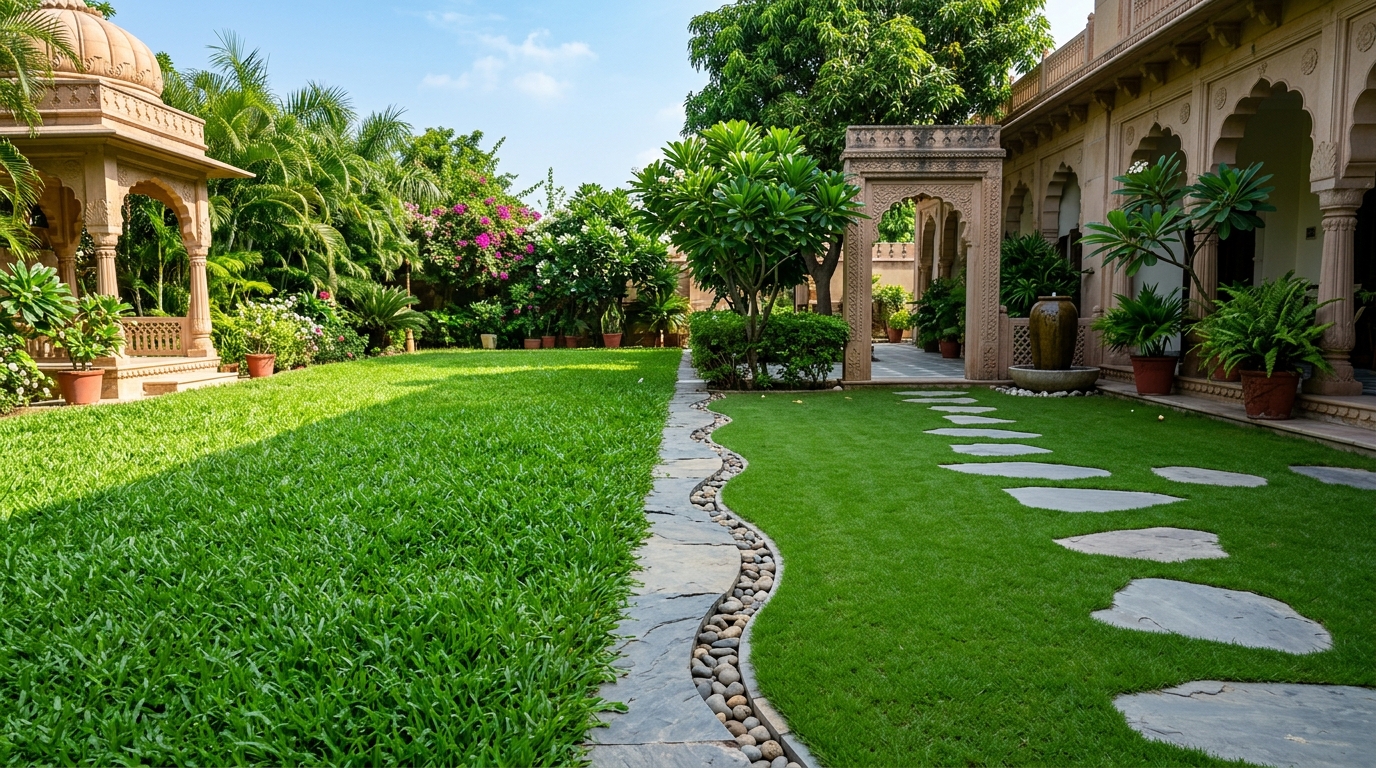
Korean Velvet is the crown jewel of luxury landscaping. When properly groomed, it looks like an undulating Japanese Zen garden or an indoor carpet brought outdoors. However, it cannot endure continuous sports wear or dog digging. It is best reserved for formal front villa entryways, Japanese rockeries, courtyard fountains, and modern stone stepping-path landscapes.
Decision Checklist: Which Turf Should You Choose?
Choose Selection No. 1 Grass if:
- Your property receives 6+ hours of blazing, direct sunlight daily.
- You need a durable turf for pets, children, outdoor dining, and high foot traffic.
- You are covering large acreage (farmhouse plots, multi-acre resort lawns, society parks).
- You want rapid establishment and high drought tolerance with standard maintenance.
Choose Korean Velvet Grass if:
- Your lawn area has partial shade from building walls, trees, or pergolas.
- You seek an ultra-luxurious, velvet-textured manicured showpiece lawn.
- You prefer a slow-growing grass that minimizes weekly mowing chores.
- You have an automated pop-up irrigation system and dedicated garden maintenance staff.
Frequently Asked Questions (FAQ)
1. Is Korean Velvet grass suitable for heavy foot traffic?
No. Korean Velvet is an ornamental luxury turf designed for visual appeal and light foot traffic (walking barefoot or on stone pavers). Heavy sports activity or dog traffic can damage its slow-growing stolons, taking months to regenerate compared to fast-healing Bermuda turf.
2. Which grass handles extreme heat in Delhi and Punjab better?
Selection No. 1 handles intense 45°C+ summer heatwaves and dry winds (Loo) with superior resilience due to its deep root architecture. Korean Velvet also tolerates high temperatures but requires frequent misting to prevent blade dehydration.
3. Why is Korean Velvet grass more expensive than Selection No. 1?
Korean Velvet (Zoysia) grows at one-third the speed of Bermuda grass. Turf farms require 12 to 18 months of intensive cultivation to harvest a single mature sod roll of Korean Velvet, compared to just 3 to 4 months for Selection No. 1, resulting in higher farm-gate production costs.
4. How do I maintain the bright green color of Selection No. 1 during winter?
During North Indian winter dormancy (late December through January), reduce watering to once every 7–10 days and avoid heavy foot traffic when frost is present on the blades. In late February, apply a high-nitrogen organic compost and iron sulfate supplement to trigger rapid spring green-up.
Order Farm-Fresh Sod Rolls from Kavya Grass Nursery
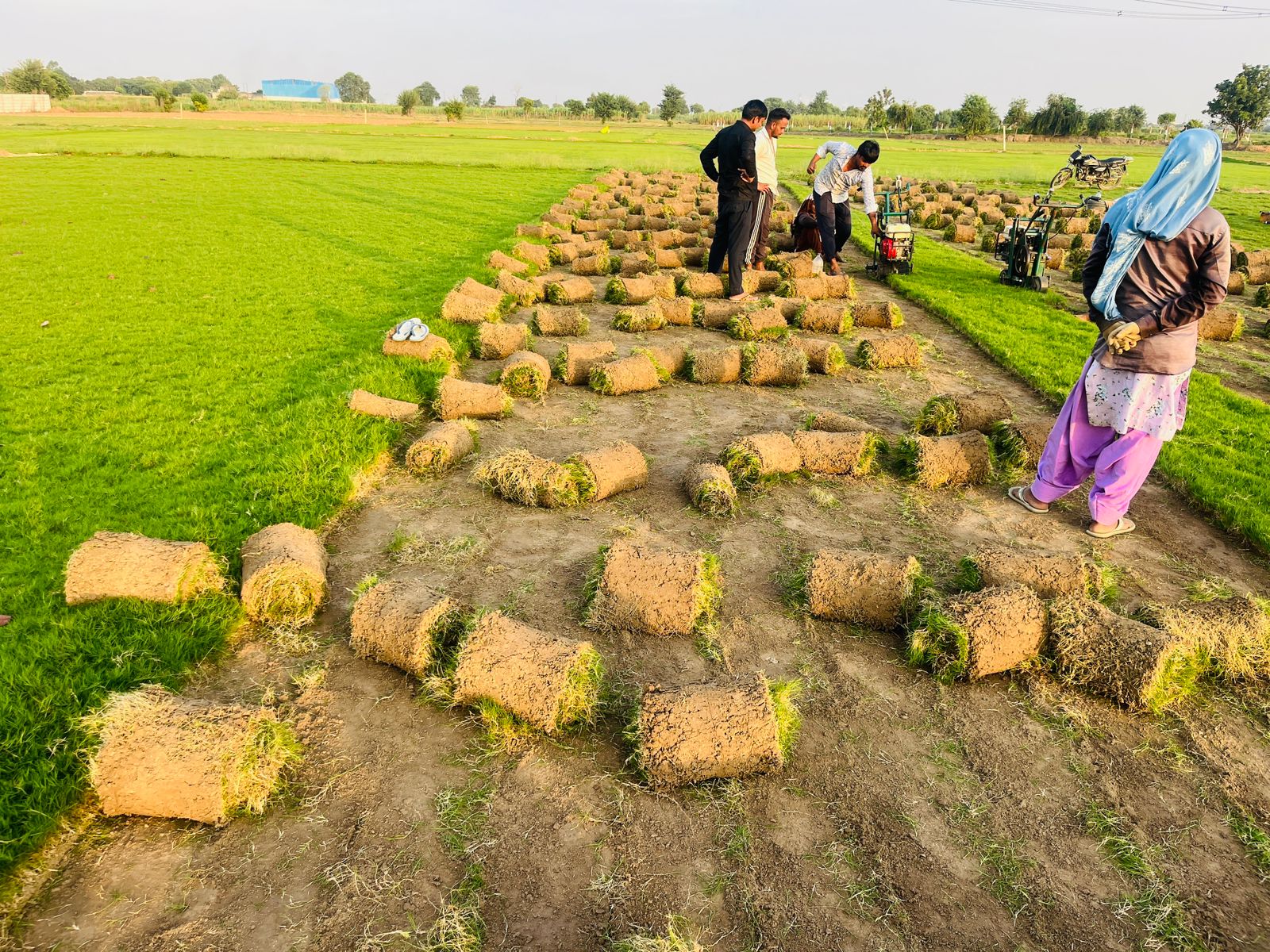
A pristine lawn begins with the genetic quality and freshness of the sod rolls. At Kavya Grass Nursery, we cultivate certified, weed-free Selection No. 1 and Korean Velvet turf on our dedicated nursery farms, harvested fresh within hours of dispatch.
Whether you require wholesale sod roll supply or turnkey site grading, soil preparation, and installation across Delhi NCR, Ludhiana, Chandigarh, Jaipur, Lucknow, and Pan-India, our horticultural specialists are here to assist.
📞 Speak with a Landscape Turf Specialist:
Call or WhatsApp: +91-6394742039
🌐 Explore our full product range: www.kavyanursery.com
About the Author
Kavya Grass Nursery is a leading supplier of premium lawn grasses in India. We specialize in Mexican Carpet, Bermuda, and Korean Velvet grass, helping homeowners and businesses create stunning green spaces.