Summer Lawn Care Guide: How to Keep Your Natural Grass Lush Green in Extreme Heat (45°C+)
Summer Lawn Care Guide: How to Keep Your Natural Grass Lush Green in Extreme Heat (45°C+)
Summer in Northern and Central India is notoriously unforgiving. From May through early July, daytime temperatures across Delhi NCR, Punjab, Haryana, Rajasthan, and Uttar Pradesh routinely surge past 42°C to 47°C, accompanied by scorching dry winds (Loo) and intense solar UV radiation. For homeowners and landscape caretakers, watching an emerald green lawn turn dull, straw-colored, and brittle within a matter of days is deeply disheartening.
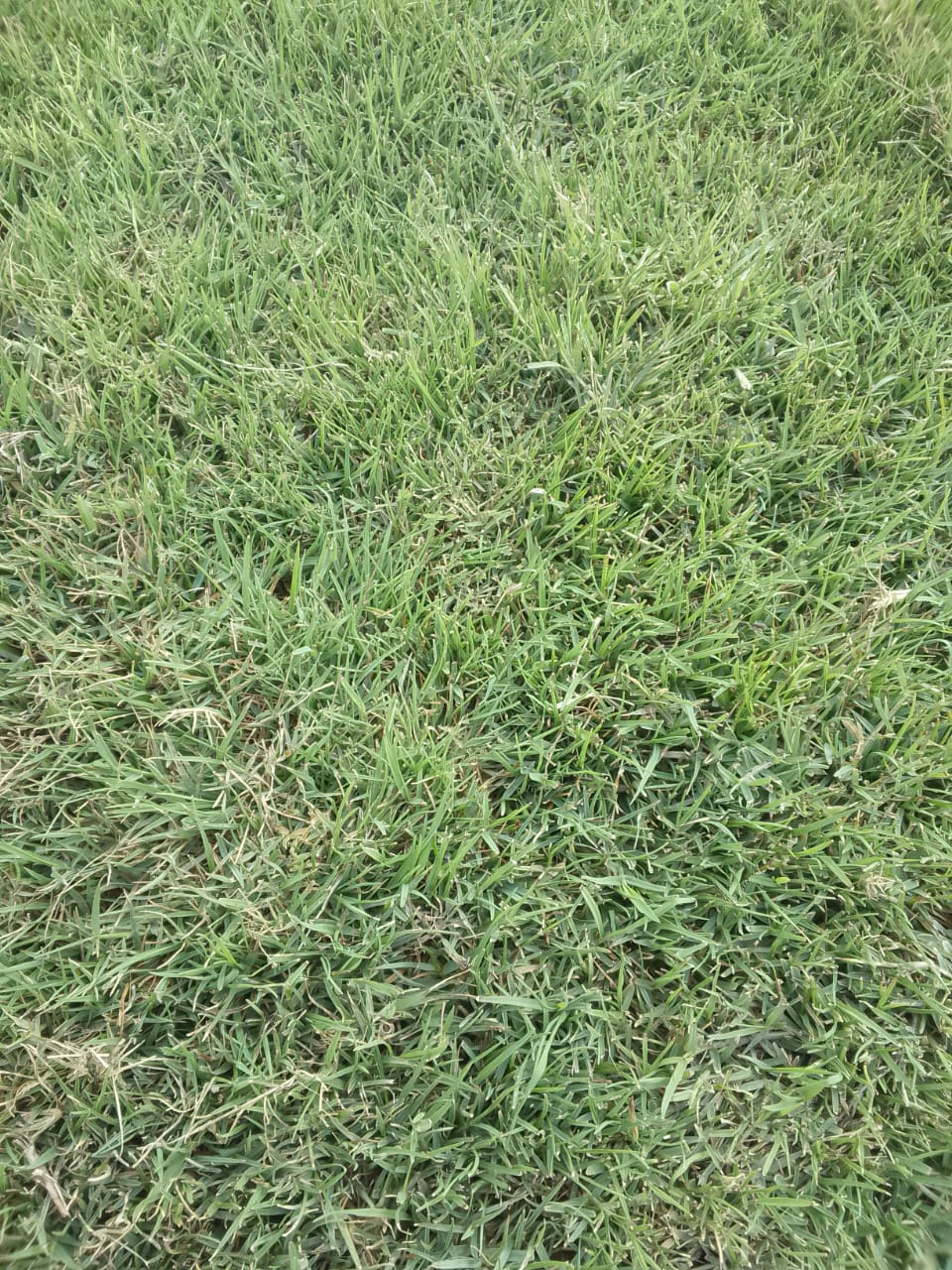
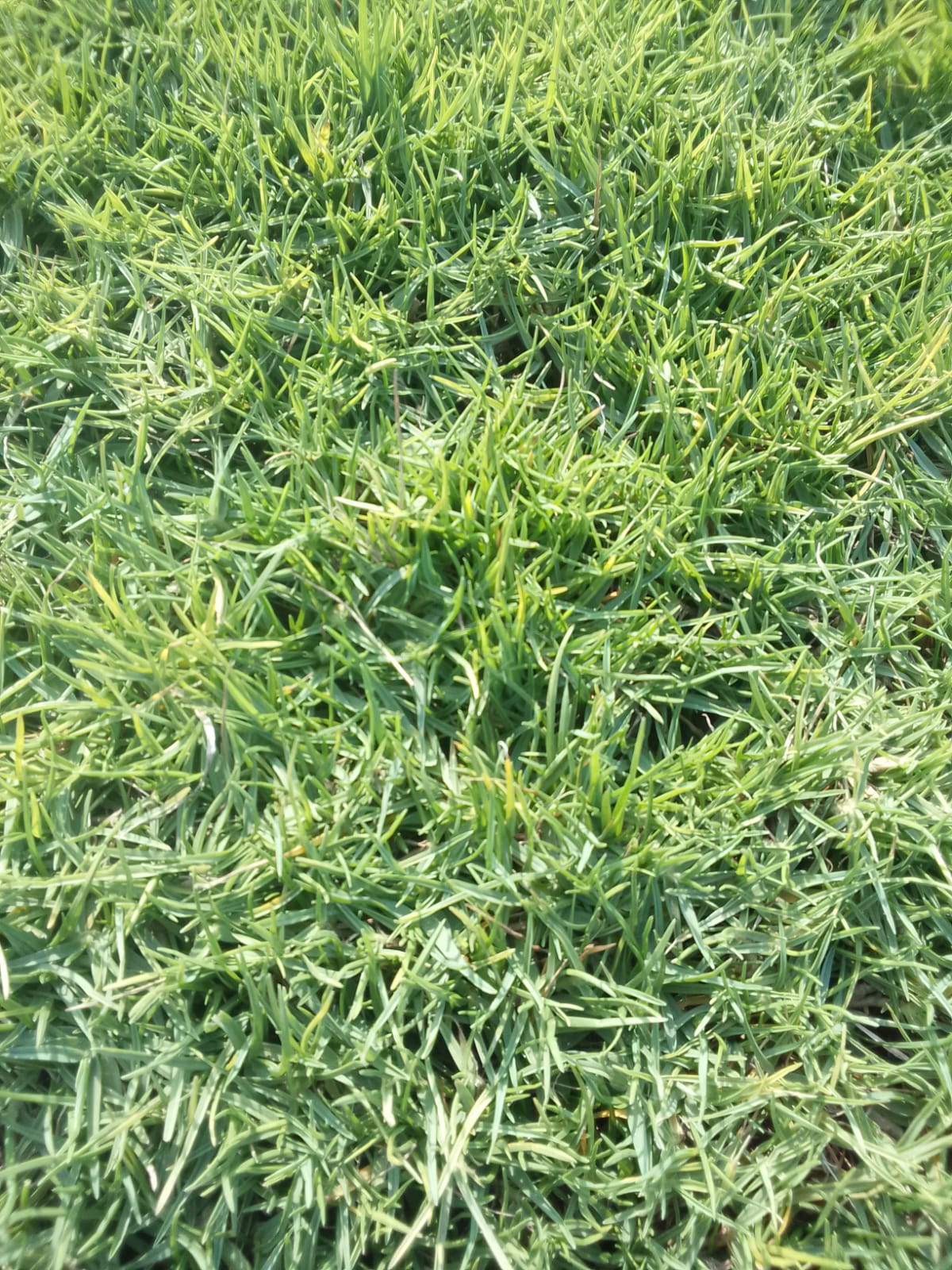
However, extreme heat does not mean your natural lawn is doomed. Warm-season turfgrass varieties like Bermuda, Selection No. 1, and Mexican Carpet Grass possess extraordinary physiological mechanisms to survive high temperatures—provided you follow the correct summer horticultural regimen. In this expert summer guide, Kavya Grass Nursery reveals the secrets to keeping your grass thick, resilient, and lush green throughout the peak Indian heatwave.
Understanding Heat Stress vs. Lawn Dormancy
When soil temperatures rise above 35°C and moisture evaporates rapidly, turfgrass enters a protective survival mode known as heat dormancy. The grass blades stop active vertical growth and turn light tan or brownish to conserve internal water and protect the vital crown and subterranean rhizomes.
Many homeowners mistakenly assume the lawn is dead and immediately make catastrophic mistakes—such as drenching it with heavy chemical fertilizers or soaking it during the blistering midday sun. Understanding the rules of summer turf physiology will save your lawn from irreversible burn.
Rule #1: The Golden Rules of Summer Lawn Watering
Watering correctly is 80% of summer lawn preservation. How and when you water is far more important than how much water you pour.
Never Water at Noon or in Mid-Afternoon Sun
Watering between 11:00 AM and 3:30 PM is one of the most destructive habits in Indian gardening. In 45°C heat, up to 60% of sprinkler water evaporates before penetrating the soil. Worse, water droplets clinging to grass blades act as microscopic magnifying lenses, focusing solar rays and causing leaf blade scalding. Hot water accumulating around shallow roots can literally boil root hairs in poorly drained soil.
Water Deeply in the Early Morning (5:00 AM to 7:30 AM)
The optimal window to irrigate your lawn is between 5:00 AM and 7:30 AM. During early morning hours:
- Wind velocity is lowest, ensuring even sprinkler distribution without mist loss.
- Soil is at its coolest point, allowing water to percolate 4 to 6 inches deep to the root zone without steam evaporation.
- Grass blades dry naturally as the sun rises, dramatically reducing the risk of fungal blights like Brown Patch and Pythium.
The "Deep and Infrequent" Principle
Avoid shallow daily sprinkling that only wets the top 1/2 inch of soil. Shallow watering forces grass roots to stay near the surface where ground temperatures are hottest. Instead, irrigate deeply 3 to 4 times a week (soaking the soil to a depth of 4 to 5 inches). This trains roots to grow deep into cooler subsoil moisture reserves, building tremendous heatwave drought immunity.
Rule #2: Raise Your Lawnmower Blades by 1 to 1.5 Inches
One of the easiest yet most powerful summer defense strategies is adjusting your mowing height:
- Why Short Mowing Kills Summer Grass: In winter and spring, short grass looks manicured. But cutting grass short (scalping) in 45°C sun exposes the grass crown and soil surface directly to solar radiation. The soil heats up, ground moisture bakes away instantly, and root depth shrinks proportionately to blade height.
- The Taller Blade Shield: Raise your mower deck to maintain grass height at 2.5 to 3.5 inches for Selection No. 1 and Mexican grass, and 1.5 to 2.0 inches for Bermuda. Taller blades cast shade over the soil, lowering root zone temperatures by up to 4°C to 6°C and acting as living green mulch that drastically reduces water evaporation.
- Keep Blades Razor Sharp: Dull mower blades shred and tear grass tips rather than slicing them cleanly. Frayed blade tips turn brown, lose water rapidly through open wounds, and give the entire lawn an unsightly whitish-tan haze.
Rule #3: Avoid High-Nitrogen Chemical Fertilizers
One of the most dangerous impulses when grass looks pale in June is broadcasting quick-release chemical fertilizers like Urea or high-nitrogen NPK. Do not apply fast-acting chemical nitrogen during peak heatwaves!
Nitrogen forces the plant to expend scarce energy pushing tender new top growth at the very moment roots are struggling to absorb water. These soft new shoots have zero heat tolerance and will instantly scorch. Furthermore, high chemical salts in synthetic fertilizers draw moisture away from root cells via reverse osmosis, causing catastrophic "fertilizer burn."
Instead, apply a thin, sifted layer of well-decomposed, cool organic vermicompost or spray diluted liquid seaweed extract in late evening. Seaweed is rich in natural cytokinins and potassium that strengthen plant cell walls against thermal stress.
Rule #4: Aeration and Wetting Agents
Under continuous baking sun, North Indian clay-loam soils develop a rock-hard, impervious crust. When you apply water, it simply beads up and runs off into drains without reaching the roots.
- Light Spike Aeration: Use a manual garden fork or aerator roller to punch small holes (3 to 4 inches deep) every 4 to 6 inches across high-traffic or compacted zones. This breaks the surface crust and channels water directly to dehydrated roots.
- Organic Top-Dressing: Lightly dust aerated patches with a 50:50 blend of coarse washed sand and fine vermicompost to keep aeration channels open and enhance water retention.
Heat Tolerance Breakdown: Best to Moderate Varieties
| Variety | Heatwave Rating (45°C+) | Water Requirement in Peak Summer | Summer Performance Summary |
|---|---|---|---|
| Bermuda Grass | ⭐⭐⭐⭐⭐ (9.8/10) | Low – Moderate | Unrivaled heat tolerance. Deep rhizomatous root system recovers rapidly after severe drought. |
| Selection No. 1 | ⭐⭐⭐⭐½ (9.2/10) | Moderate | Excellent drought and heat adaptation. Stays deep green with regular early morning cycles. |
| Korean Velvet Grass | ⭐⭐⭐⭐ (8.0/10) | Moderate | Tolerates heat well due to stiff needle blades, but susceptible to drying out if soil lacks organic depth. |
| Mexican Carpet Grass | ⭐⭐⭐½ (7.5/10) | High | Lush and soft, but broad tender blades transpire water rapidly. Requires diligent early morning watering. |
Quick Summer Lawn Survival Checklist
- Water between 5:00 AM and 7:30 AM to soak soil 4 inches deep.
- Raise cutting height to 2.5–3 inches to shade root crowns.
- Mow in the evening (after 6:00 PM) so grass blades have overnight hours to heal before facing direct sun.
- Hold off on chemical nitrogen fertilizers until the monsoon rains arrive in July.
- Keep pets and heavy gatherings off wilted turf during peak afternoon heat to prevent crushing brittle crowns.
Is Your Lawn Struggling with Heat Damage?
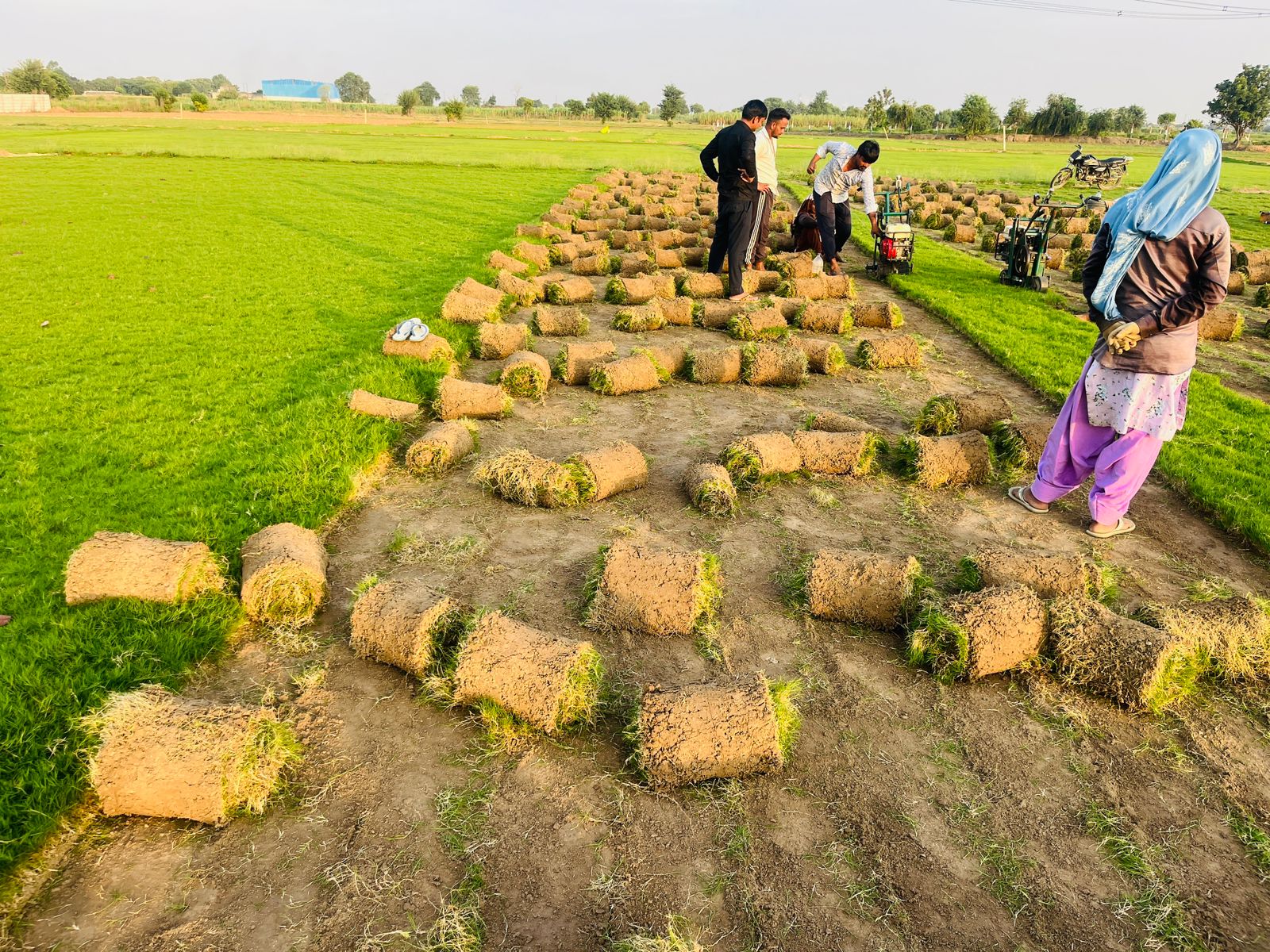
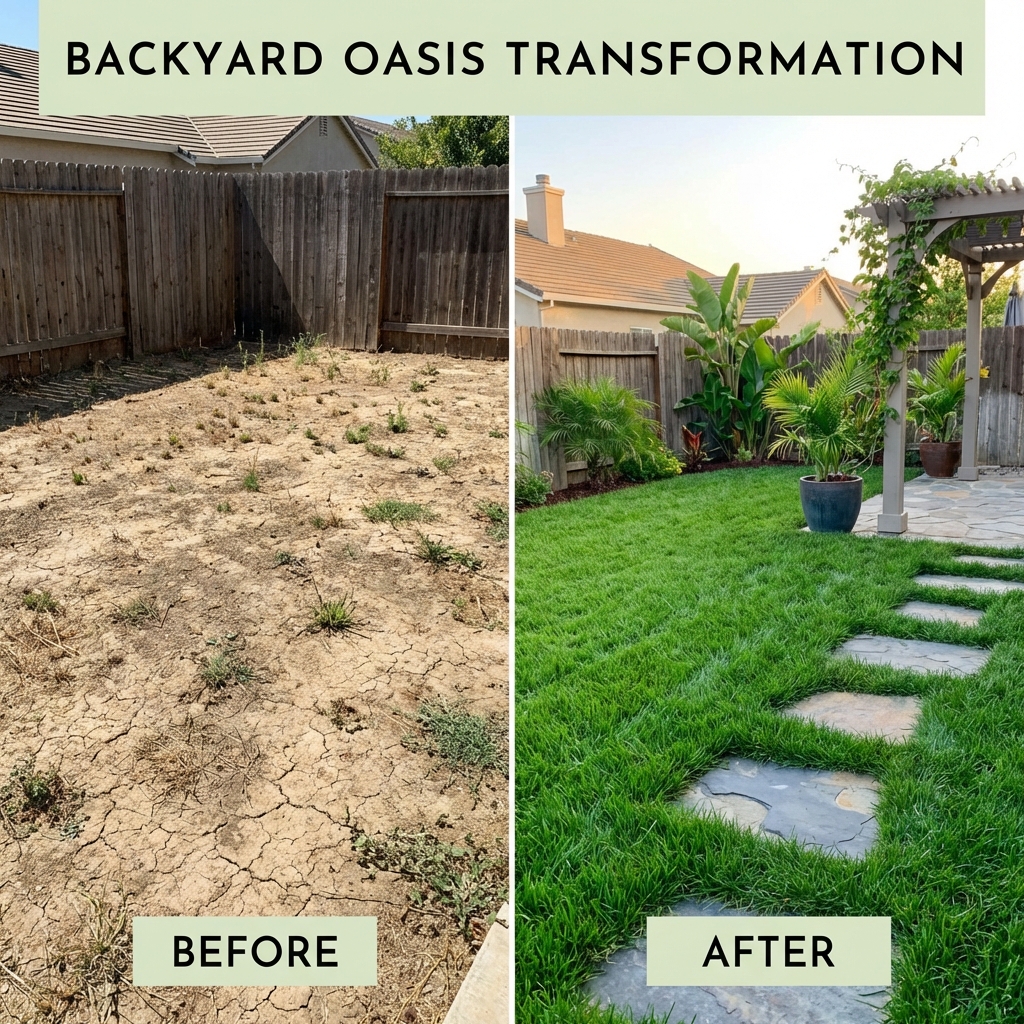
If your existing lawn has suffered severe patchiness, compaction, or heat burn, you don't have to wait months for recovery. Kavya Grass Nursery provides on-site lawn health consultations, soil conditioning, and fresh replacement grass rolls that restore lush greenery in hours.
Speak with a Lawn Specialist: +91-6394742039
Explore Expert Solutions: Lawn Care & Consultancy | View Natural Grass Varieties
About the Author
Kavya Grass Nursery is a leading supplier of premium lawn grasses in India. We specialize in Mexican Carpet, Bermuda, and Korean Velvet grass, helping homeowners and businesses create stunning green spaces.