Maintenance Tips for Healthy Lawn Grass: A Complete Guide
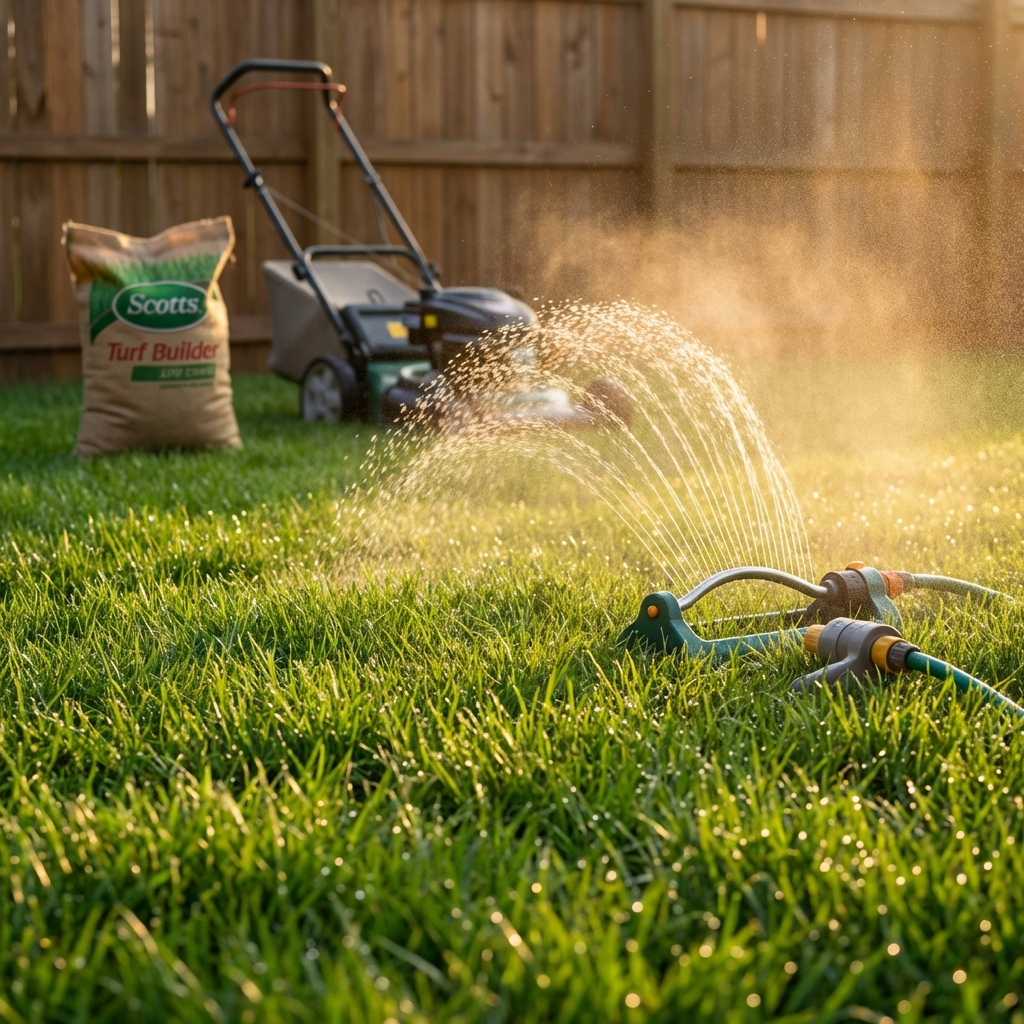
The Art and Science of Lawn Maintenance
A beautiful lawn is a living, breathing entity that changes with the seasons. While establishing a lawn takes effort, maintaining it is an ongoing commitment. Many homeowners make the mistake of thinking that once the grass is green, the job is done. However, without regular care, even the most expensive turf can be overrun by weeds or turn brown within weeks. This guide covers the essential practices to keep your Indian lawn healthy, lush, and the envy of the neighborhood.
1. Watering: The 'Deep and Infrequent' Rule
Watering seems simple, but it's where most mistakes happen.
The Myth: You need to sprinkle water a little bit every day.
The Reality: Shallow, daily watering encourages shallow roots. This makes the grass weak and susceptible to drought. Instead, water deeply (enough to soak the soil 4-6 inches down) but less frequently—maybe 2-3 times a week depending on the season.
Best Time to Water: Always water early in the morning, between 5 AM and 9 AM. This allows the water to soak in before the sun evaporates it, but ensures the grass blades dry off during the day, preventing fungal diseases that thrive in damp, dark conditions.
2. Mowing: Sharp Blades, Healthy Grass
Mowing is not just about height; it's about health.
The One-Third Rule: Never remove more than one-third of the grass blade length in a single mowing session. Cutting it too short ("scalping") shocks the plant, exposing the roots to harsh sunlight and stopping root growth.
Keep Blades Sharp: Dull mower blades tear the grass rather than slicing it clean. These torn tips turn brown and jagged, giving your lawn a dull, whitish cast. If your lawn looks brownish right after mowing, check your blades immediately.
3. Fertilizing: Feeding Your Green Carpet
Like any plant, grass draws nutrients from the soil. Over time, these need to be replenished.
Nitrogen is Key: Nitrogen is the nutrient responsible for the green, leafy growth. Use a balanced N-P-K fertilizer or organic options like composted cow manure.
Schedule: Fertilize during the active growing season (monsoon and post-monsoon). Avoid heavy fertilization during the peak of summer or the dead of winter when the grass is dormant, as this can stress the plant.
4. Weeding and Aeration
Weeding: Weeds compete with your grass for water and nutrients. Hand-pulling is best for small lawns. Do it when the soil is moist, as roots come out easier. For larger infestations, use selective herbicides, but be careful not to harm the grass.
Aeration: Over time, soil becomes compacted, especially in high-traffic areas. Walking on compact soil is like trying to breathe with a pillow over your face. Aeration (poking holes in the soil) allows air, water, and nutrients to penetrate the root zone. You can rent an aerator or use a spading fork for smaller patches.
Dealing with Common Pests
In India, termites and grubs are common lawn enemies. If you notice patches of dying grass that lift up easily like a carpet, you might have a grub problem. Applying neem cake powder to the soil is an excellent, organic preventative measure that repels pests and acts as a fertilizer.
Conclusion
Lawn maintenance is a discipline, but the results are incredibly rewarding. By following these core principles—deep watering, proper mowing, timely feeding, and watchful weeding—you can maintain a golf-course quality lawn right at home. Remember, a healthy lawn is the best defense against weeds and diseases.
About the Author
Kavya Grass Nursery is a leading supplier of premium lawn grasses in India. We specialize in Mexican Carpet, Bermuda, and Korean Velvet grass, helping homeowners and businesses create stunning green spaces.